Healthy Living
Moving Your Toddler From Crib to Bed
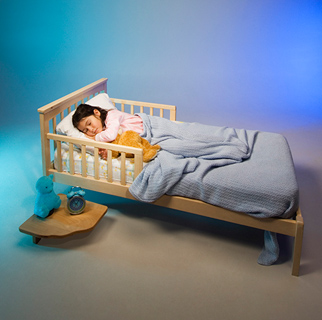
Moving your child from a crib to a bed is a big change. It's most important that you consider your child's safety and maintain a healthy sleep routine.
When to consider a bed
Toddlers will get too big for their crib. Most move to a bed by age 2. Here are some signs that they are ready for a bed:
-
The crib mattress is at its lowest setting and the height of the top rail is less than three-quarters of the child’s height.
-
They are able to pull themselves up and over the crib rail.
-
They can put their leg on or over the top rail, even if they haven’t yet climbed over.
-
They are 35 inches tall.
Bed safety
Here are some tips to keep your toddlers safe:
-
Make sure you can add guardrails to the bed to prevent falls. Fit the guardrails against the mattress and frame, so there are no gaps.
-
Don’t give your child a pillow before age 2. After age 2, start with a small, firm pillow.
-
Don’t place the bed under a window.
-
Don't use an upper bunk bed or other raised bed for children under age 6.
Sleep routines
Toddlers and preschoolers need 10 to 14 hours of sleep a day. If they are used to sleeping in their own bed, try to continue with the same bedtime routine. Try these tips:
-
Set a specific time for bed.
-
About 30 minutes before, tell them it will soon be time to get ready for bed.
-
Watching TV, using a tablet, and playing video games are not calming activities. Don’t allow TV, tablets, or video games for at least 30 minutes before bedtime. Don’t allow screens in the bedroom.
-
Help them unwind with a bath, quiet music, or reading books.
-
Make sure the bedroom is comfortable—not too warm or too cold.
-
Use a nightlight or small lamp if your child is scared of the dark.
If they get out of bed, return them to bed immediately. Let them know that you’ll be back to check on them in a few minutes but that it’s time to be quiet and go to sleep. You may need to do this several times for a few days. Try to be consistent. Be sure to give praise when your child stays in bed through the night. You might offer a small reward like an extra story at bedtime.
Additional safety tips
Here are some other ideas to keep toddlers safe:
-
Make sure your child's bedroom is safe, now that they can get out of bed.
-
Use a baby monitor or tie a bell on the door so you know if your child is out of bed.
-
Put safety gates at the top and bottom of stairs.
-
Take steps to prevent dressers and other furniture from tipping over and injuring your child. Use childproof latches on chests of drawers or secure drawers shut so they can’t be pulled out and used as steps.
-
Keep anything that might be dangerous out of reach. Think about medicines, makeup or cosmetics, cleaning products, small items that may be swallowed, and sharp kitchen items or tools.
Featured in
Online Medical Reviewer: Liora C Adler MD
Online Medical Reviewer: Stacey Wojcik MBA BSN RN
Date Last Reviewed: 09/01/2025
© 2000-2026 The StayWell Company, LLC. All rights reserved. This information is not intended as a substitute for professional medical care. Always follow your healthcare professional's instructions.
Need Help? We're Here for You
Our Member and Recipient Services Team is here to help you understand your benefits, find care, or resolve concerns.
800-510-9132
Call NC Quitline
Need support to quit smoking, vaping, or to quit other nicotine products? You can receive support including medicines free of charge:
800-784-8669
Schedule Transportation
Need transportation to a doctor's office, pharmacy, or other covered healthcare service? Contact us to arrange your ride.
800-510-9132
Provider Directory
Need to find a provider like a Primary Care Physician, Specialist, OB/GYN, or a Psychiatrist?
Provider DirectoryRelated Articles
Breath-Holding Spells (Child)
A breath-holding spell is frightening for a parent to witness, but it is not harmful to the child. Learn what to expect, and how to care for your child at home.
Dehydration and Rehydration in Children
Dehydration happens very quickly in infants and small children, who don't have as much fluid to spare. It can quickly become very serious. Rehydration is the crucial process of returning those fluids back to the body to restore normal functioning.
What Vaccines Should You and Your Family Have?
Many diseases can be prevented by getting vaccinated against them. Read on to learn about advised vaccines.
Disciplining Your Child at Any Age
Each child is different, but most children need to be given clear rules about behavior. Read on for some discipline tips by age group.