As Parkinson disease progresses, home safety will be an increasing concern. This page includes tips that can help make your daily life safer and easier. Your healthcare provider may also recommend a therapist to advise you on the best ways to set up your home.
Setting up living spaces
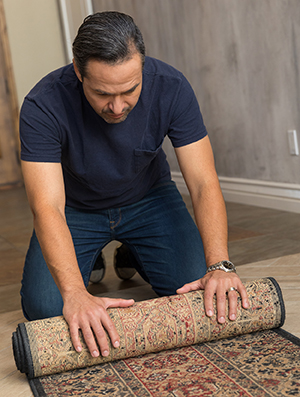
Get help from family and friends to make these changes:
-
Keep walkways open and free of clutter.
-
Move phone and electrical cords out of the way.
-
Remove throw rugs to prevent trips.
-
Have floors that are nonskid. Avoid floors with too many patterns.
-
Get a cellphone, cordless phone, or speakerphone. Program in the numbers for family and emergency services.
-
Make sure all furniture is sturdy.
-
Use chairs that have armrests and that don't swivel. Choose chair heights that make standing easier.
-
Wear well-fitting, nonslip shoes.
-
Make sure rooms are well-lit. Install nightlights along walkways. Adjust blinds and shades to reduce glare.
-
Think about placing lines of tape on the floor between rooms. Stepping over the tape may prompt you to keep moving, if freezing at doorways is a problem.
-
Put smoke alarms in all rooms, including the bathroom and kitchen.
Setting up the bathroom
Use the tips below to make changes to your bathroom. Medicare or insurance may help cover the costs of some of these items, depending on your needs and plan.
-
Have grab bars put in the shower or tub for support getting in and out.
-
Install a handheld showerhead for easier bathing.
-
Raise the height of the toilet with a commode chair or elevated toilet seat.
-
Use a rubber-backed bathmat to help prevent slips and falls.
-
Buy a shower chair with a back to make showering safer and less tiring.
Preventing falls
Parkinson symptoms make falls more likely. Safety improvements around the house can help. But if you start having frequent falls, talk to your healthcare provider. They may advise physical therapy. This helps you learn the safest ways to move around. If needed, your therapist may also teach you how to use a cane or walker. Consider buying a lifeline. Then if you do fall while you're alone, you'll have a way to get help.
Online Medical Reviewer: Anne Fetterman RN BSN
Online Medical Reviewer: Heather M Trevino BSN RNC
Online Medical Reviewer: Joseph Campellone MD
Date Last Reviewed: 04/01/2024
© 2000-2026 The StayWell Company, LLC. All rights reserved. This information is not intended as a substitute for professional medical care. Always follow your healthcare professional's instructions.
Need Help? We're Here for You
Our Member and Recipient Services Team is here to help you understand your benefits, find care, or resolve concerns.
800-510-9132
Call NC Quitline
Need support to quit smoking, vaping, or to quit other nicotine products? You can receive support including medicines free of charge:
800-784-8669
Schedule Transportation
Need transportation to a doctor's office, pharmacy, or other covered healthcare service? Contact us to arrange your ride.
800-510-9132
Provider Directory
Need to find a provider like a Primary Care Physician, Specialist, OB/GYN, or a Psychiatrist?
Provider DirectoryRelated Articles
Spinal Cord Injury (SCI): Adjusting After Discharge
Transitioning back into your daily life after a spinal cord injury can be challenging. These tips can help.
For caregivers: Safety tips for people with dementia
Many of the symptoms of Alzheimer disease can cause safety concerns. Symptoms such as forgetfulness and confusion can lead to unsafe situations. Here are some tips to help keep your loved one safe.
Safety During a Seizure
Let family and friends know what to expect and how to react when you have a seizure. This helps keep them calm and you safe. Here are some pointers for loved ones.
Understanding Sympathectomy
A sympathectomy is a procedure to cut or block a nerve. It's done to treat problems such as severe sweating (hyperhidrosis) and severe facial blushing. Learn more about the procedure here.


