Step-by-Step
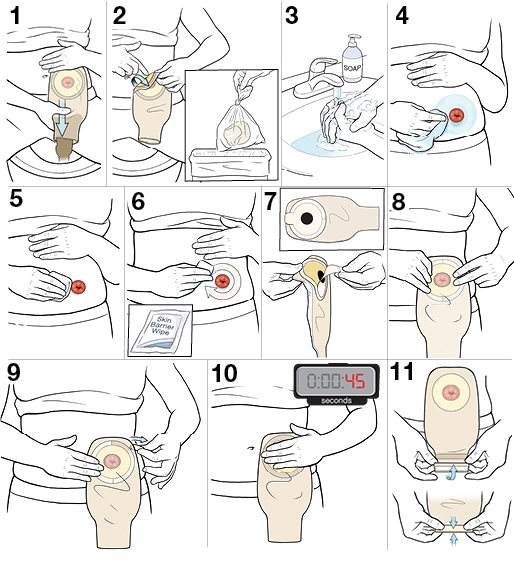
Online Medical Reviewer: Jen Lehrer MD
Online Medical Reviewer: John Hanrahan MD
Online Medical Reviewer: Raymond Kent Turley BSN MSN RN
Date Last Reviewed: 06/01/2025
© 2000-2026 The StayWell Company, LLC. All rights reserved. This information is not intended as a substitute for professional medical care. Always follow your healthcare professional's instructions.
Need Help? We're Here for You
Our Member and Recipient Services Team is here to help you understand your benefits, find care, or resolve concerns.
800-510-9132
Call NC Quitline
Need support to quit smoking, vaping, or to quit other nicotine products? You can receive support including medicines free of charge:
800-784-8669
Schedule Transportation
Need transportation to a doctor's office, pharmacy, or other covered healthcare service? Contact us to arrange your ride.
800-510-9132
Provider Directory
Need to find a provider like a Primary Care Physician, Specialist, OB/GYN, or a Psychiatrist?
Provider DirectoryRelated Articles
Potassium-Rich Foods
The normal adult diet usually contains 2,000 mg to 4,000 mg of potassium per day. If you need more of this nutrient in your diet, include these high-potassium foods.
Stoma Care: Emptying the Pouch
Here are images that show the steps for emptying the pouch for your stoma.
Ostomy Care: Emptying Your Pouch
You need to empty a drainable pouch when it gets to be about one-third full. To empty your pouch, follow the steps described here in order.
Ileostomy: Caring for Your Stoma
You need to take care of your stoma and the skin around it (peristomal skin). That means keeping the stoma and the skin clean. It also means protecting the skin from moisture and contact with stool. This helps prevent skin problems and odor.


