Metabolic dysfunction-associated steatotic liver disease (MASLD), previously known as nonalcoholic fatty liver disease (NAFLD), is a common disease of the liver. It occurs when you have too much fat in the liver. Fat can build up as a result of metabolic stress from excess weight, high blood sugar, high cholesterol, or high blood pressure. This sheet tells you more about MASLD and how it can be managed.
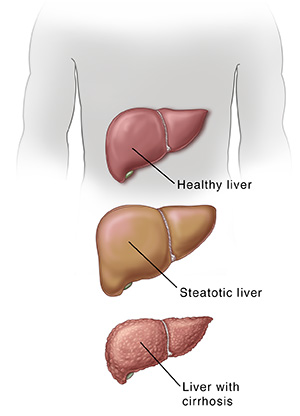
How the liver works
The liver is an organ in the upper right side of the belly (abdomen). It has many important jobs. These include:
-
Breaking down (metabolizing) proteins, carbohydrates, and fats
-
Making a substance called bile that helps break down fats
-
Storing and releasing sugar (glucose) into the blood to give the body energy
-
Removing toxins from the blood
-
Helping with blood clotting
Understanding MASLD
A healthy liver may contain some fat. But if too much fat builds up in the liver, this causes MASLD. MASLD can be mild, causing fatty liver. Or it can be more severe and have inflammation as well as excess fat. This can cause metabolic dysfunction-associated steatohepatitis (MASH).
-
Fatty liver. With fatty liver, the liver simply has more fat than normal. This extra fat usually doesn't harm the liver.
-
MASH. With MASH, the fatty liver becomes inflamed over time. MASH is serious because it can lead to scarring of the liver (fibrosis). Over time, the scarring may lead to cirrhosis of the liver. This can eventually cause liver failure or liver cancer.
Causes and risk factors for MASLD
Healthcare providers don't know what causes MASLD. But certain things make the problem more likely to happen. These include:
-
Obesity
-
Prediabetes or diabetes
-
Polycystic ovary syndrome (PCOS)
-
High blood pressure (hypertension) and heart disease
-
High levels of fat found in the blood (cholesterol and triglycerides)
-
Taking certain medicines
Symptoms of MASLD
Most people with MASLD have no symptoms. If symptoms do occur, they can include:
-
Tiredness
-
Weakness
-
Weight loss
-
Loss of appetite
-
Upset stomach (nausea) and vomiting
-
Belly pain and cramping
-
Yellowing of the skin and eyes (jaundice)
-
Dark urine
-
Light-colored poop (stool) that looks gray
-
Swelling in the belly or legs
Diagnosing MASLD
Your healthcare provider may think you have MASLD if routine blood tests show high levels of liver enzymes. This may mean you have a liver problem. You may need 1 or more imaging tests, such as an ultrasound, CT, or MRI. You may need more blood tests to look for other causes of liver disease. You may also need a liver biopsy. During this test, a hollow needle is used to remove a tiny tissue sample from your liver. This tissue is then checked in a lab. This test can find signs of damage to liver tissue. It can also help figure out the cause of the damage and tell the difference between fatty liver and MASH.
Treating MASLD
Treatment for MASLD varies for each person. The best early treatment is to treat any conditions that are causing metabolic syndrome. This syndrome is a group of conditions that includes:
-
High blood pressure
-
High levels of cholesterol and triglycerides
-
Overweight or obesity
-
Diabetes
Your healthcare provider will monitor your health and treat any symptoms or underlying health problems you have. Your provider will also work with you to control your risk factors. This will make liver damage less likely. In fact, treating those underlying conditions can often improve liver disease. You may need to take certain medicines, but no medicine will cure MASLD. This is why treating the underlying conditions is most important. Your plan may include:
-
Losing excess weight
-
Getting regular exercise
-
Controlling diabetes
-
Controlling high cholesterol or triglyceride levels
-
Taking medicines and vitamins as prescribed by your provider
-
Not smoking
-
Not drinking alcohol
-
Eating a healthy diet
Living with MASLD
If MASLD is caught early, it can be managed with treatment. Your healthcare provider will discuss further treatment choices with you as needed. Follow up with all treatment suggestions. Ask your providers for help if you have trouble managing any of their advice.
Be sure to ask your provider about advised vaccines. These include vaccines for viruses that can cause liver disease.
Online Medical Reviewer: Daphne Pierce-Smith RN MSN
Online Medical Reviewer: Rajadurai Samnishanth Researcher
Online Medical Reviewer: Raymond Turley Jr PA-C
Date Last Reviewed: 10/01/2024
© 2000-2026 The StayWell Company, LLC. All rights reserved. This information is not intended as a substitute for professional medical care. Always follow your healthcare professional's instructions.
Need Help? We're Here for You
Our Member and Recipient Services Team is here to help you understand your benefits, find care, or resolve concerns.
800-510-9132
Call NC Quitline
Need support to quit smoking, vaping, or to quit other nicotine products? You can receive support including medicines free of charge:
800-784-8669
Schedule Transportation
Need transportation to a doctor's office, pharmacy, or other covered healthcare service? Contact us to arrange your ride.
800-510-9132
Provider Directory
Need to find a provider like a Primary Care Physician, Specialist, OB/GYN, or a Psychiatrist?
Provider DirectoryRelated Articles
Understanding Gastritis
Gastritis is a painful inflammation of the stomach lining. Learn more about the causes and how to ease your symptoms.
All About the Stomach
Your stomach's starring role is as an organ essential for digestion. The stomach breaks down all the food you eat.
Esophageal Ulcer
An esophageal ulcer is an open sore in the lining of your esophagus. The esophagus is the tube that carries food and liquid from your mouth to your stomach. Here's what you need to know about this condition.
Celiac Disease
Celiac disease is an autoimmune disease. You can manage the disease by removing gluten from your diet. This relieves your symptoms.


