Being more active is a key part of heart attack prevention. It helps your heart muscle and the rest of your body get stronger. It also helps control other heart risks.
For lasting results, exercise needs to be a lifelong commitment.
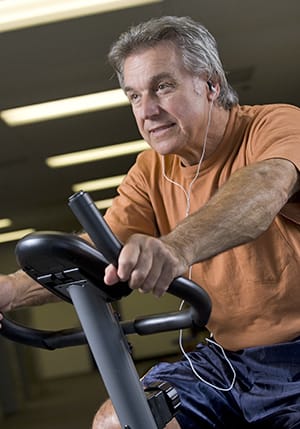
Getting started
- Join a cardiac rehab program. This is one of the easiest ways to start exercising. When your doctor says it's okay, you can start exercising on your own at home or at a gym. Slowly work toward the goal of exercising at least 150 minutes a week.
- Know that a managed plan of exercise will reduce your risk for another heart attack.
- Find activities you enjoy, from walking with a friend to playing tennis. If you do what you like, you'll not only enjoy yourself, but you'll also be more likely to stick with it.
Cardiac rehabilitation
In cardiac rehab, a team of health care providers creates an exercise plan for you and guides you through it. At first, the goal is to regain basic endurance and strength. You'll start with something simple, such as walking. Then you'll be given exercises to help you further increase strength and endurance, as well as flexibility. The skills you learn in cardiac rehab can benefit you for the rest of your life.
Online Medical Reviewer: Daphne Pierce-Smith RN MSN
Online Medical Reviewer: Thomas N Joseph MD
Online Medical Reviewer: Trina Bellendir PT
Date Last Reviewed: 09/01/2025
© 2000-2026 The StayWell Company, LLC. All rights reserved. This information is not intended as a substitute for professional medical care. Always follow your healthcare professional's instructions.
Need Help? We're Here for You
Our Member and Recipient Services Team is here to help you understand your benefits, find care, or resolve concerns.
800-510-9132
Call NC Quitline
Need support to quit smoking, vaping, or to quit other nicotine products? You can receive support including medicines free of charge:
800-784-8669
Schedule Transportation
Need transportation to a doctor's office, pharmacy, or other covered healthcare service? Contact us to arrange your ride.
800-510-9132
Provider Directory
Need to find a provider like a Primary Care Physician, Specialist, OB/GYN, or a Psychiatrist?
Provider DirectoryRelated Articles
8 Mistakes Heart Patients Make
The way you respond to a heart attack can make a big difference in what happens to you in the future.
Heart Failure: Being Active
Being active doesn't mean that you have to wear yourself out. Even a little movement each day helps to strengthen your heart. If you can't get out to exercise, you can do simple stretching and strengthening exercises at home. Read on for helpful tips to be a bit more active.
Checking Your Own Blood Pressure
You can purchase your own blood pressure monitor and check the reading yourself at home. Here's how.
Taking ACE Inhibitors
ACE inhibitors widen blood vessels and increase the amount of blood your heart pumps. These medications also lower blood pressure and decrease the amount of work your heart has to perform.


