What is a pathologist?
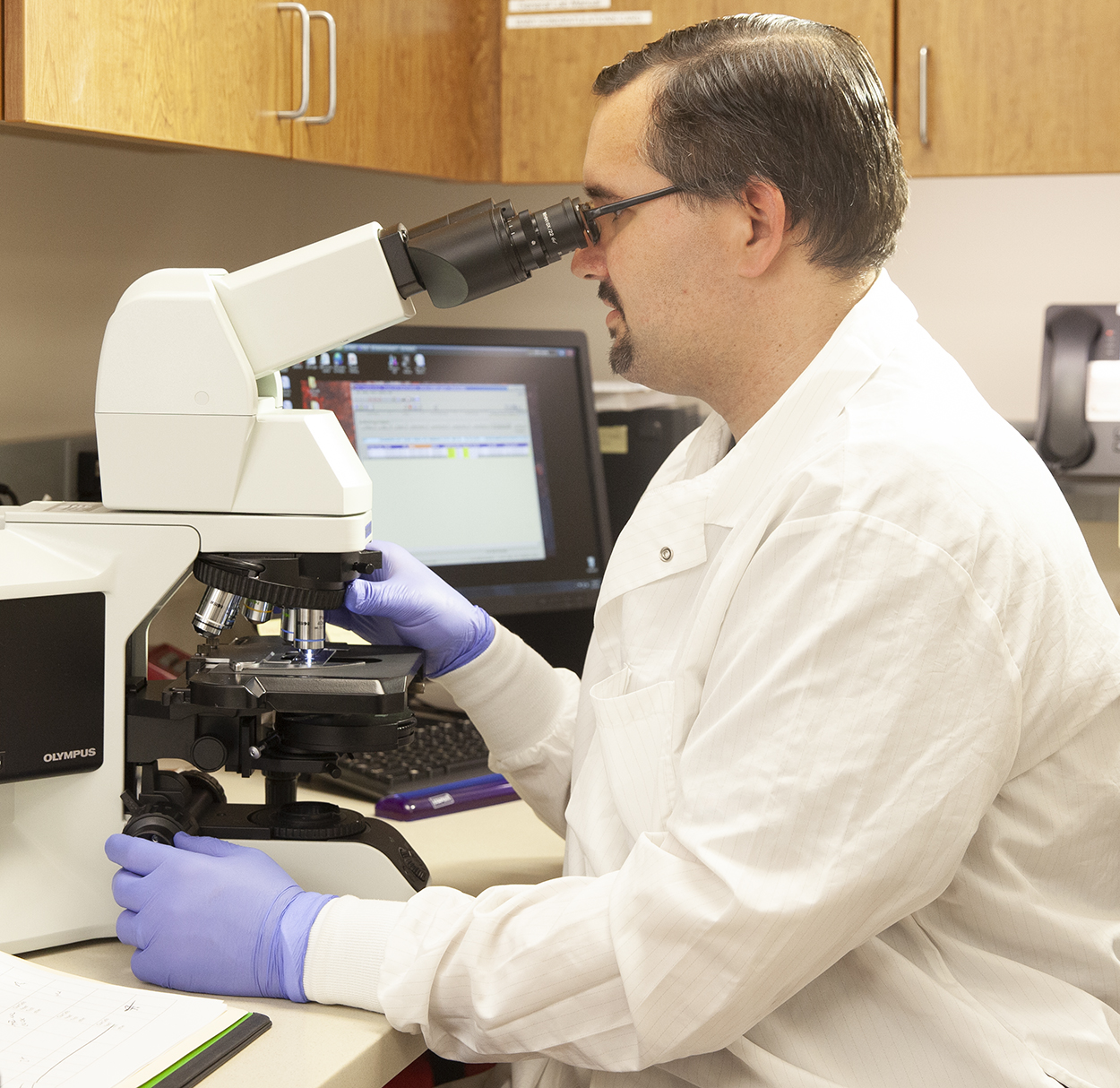
A pathologist is a healthcare provider who looks at bodies and body tissues. They also do lab tests. A pathologist helps other providers reach diagnoses. They are an important member of the healthcare team.
Pathologists have finished medical school. They must have at least 3 years of advanced medical education in a residency training program. Then they are eligible to take board certification exams for anatomic pathology and clinical pathology. Pathologists are board-certified through the American Board of Pathology.
Most pathologists get training in both clinical and anatomical pathology. They may practice in all areas of pathology. But the American Board of Pathology also provides subspecialty certifications in these areas:
-
Blood banking or transfusion. This field includes monitoring, processing, and compatibility of blood products.
-
Chemical pathology. The study of organic and inorganic substances in body fluids. It includes toxicology.
-
Clinical informatics. The study of informational systems, databases, and quality control and assurances.
-
Cytopathology. This field includes cellular changes in disease. Cytopathology is often used to diagnose cancer.
-
Dermatopathology. A subspecialty of both pathology and dermatology. These pathologists specialize in skin biopsies. The results can help diagnose common skin diseases and complex immunological diseases.
-
Forensic pathology. These pathologists study tissue in people who died suddenly, unexpectedly, or violently.
-
Hematopathology. The study of disease, illness, and dysfunction of the blood.
-
Medical microbiology. The study of infectious organisms and antibiotic susceptibilities.
-
Molecular genetic pathology. The study of genetic markers and testing.
-
Neuropathology. The study of the nervous system. Neuropathology can help diagnose neurological diseases.
-
Pediatric pathology. The study of pathology in children.
Pathologists work in different settings. These include community, university, and government hospitals and clinics. They also work in private labs, private offices, and other medical facilities. Pathologists need to take continuing certification programs. They must be recertified every 10 years by the American Board of Pathology.
Online Medical Reviewer: Mahammad Juber MD
Online Medical Reviewer: Marianne Fraser MSN RN
Online Medical Reviewer: Rita Sather RN
Date Last Reviewed: 09/01/2023
© 2000-2026 The StayWell Company, LLC. All rights reserved. This information is not intended as a substitute for professional medical care. Always follow your healthcare professional's instructions.
Need Help? We're Here for You
Our Member Services team is here to help you understand your benefits, find care, or resolve concerns.
1-800-510-9132
Call NC Quitline
Need support to quit smoking, vaping, or to quit other nicotine products? You can receive support including medicines free of charge:
1-800-784-8669
Schedule Transportation
Need transportation to a doctor's office, pharmacy, or other covered healthcare service? Contact us to arrange your ride.
1-800-510-9132
Provider Directory
Need to find a provider like a Primary Care Physician, Specialist, OB/GYN, or a Psychiatrist?
Provider DirectoryRelated Articles
Hematology
Detailed information on hematology, the study of blood and its disorders.
Microbiology
Detailed information on microbiology and the most common microbiology tests.
The Pathology Report
Detailed information on what to expect in a pathology report.
Biopsy
A detailed look at different types of biopsies, and how and why they are done.