Anemia is a condition in which the red blood cell count is too low. In pregnancy, this is often caused by not having enough iron in the blood. Anemia is common in pregnancy and very easy to treat.
Why you need iron
While pregnant, your body uses iron to make red blood cells for you and your baby. These cells bring oxygen to your baby and to the rest of your body. Not having enough red blood cells can cause your baby to be born too small. But this is rare, because it’s easy to get enough iron.
Testing for anemia
The only way to know if you have anemia is to have a simple test called a CBC (complete blood count). This is a routine test that will be done at one of your first prenatal visits. This test may be done again, at about week 26 to week 28.
Treating anemia
If you have anemia due to low iron content, follow the advice of your doctor. Eating foods high in iron and taking supplements can help you get the iron you need.
Eating foods high in iron
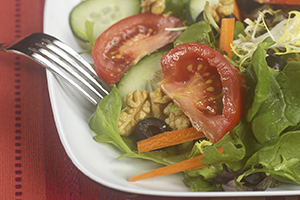
Eat foods that are high in iron such as:
-
Lean red meat (limit organ meats such as liver).
-
Seafood (be sure it’s fully cooked). Don't eat fish that are high in mercury, such as swordfish, tilefish, king mackerel, and shark.
-
Tofu.
-
Eggs.
-
Green, leafy vegetables.
-
Whole grains and iron-fortified cereals.
-
Dried fruits and nuts.
Taking iron supplements
In most cases, a prenatal vitamin can provide enough iron. But if you need more, your doctor may prescribe an iron supplement. Swallow iron pills with a glass of orange or cranberry juice. The vitamin C in these fruit juices can help your body absorb iron.
Don’t take your iron pills with juices that have calcium added to them. They can keep your body from absorbing the iron.
Iron supplements
Iron supplements may have certain side effects. They may cause your stools to turn black and make you feel sick to your stomach or constipated. Here are some tips that may help you limit side effects:
-
Start slowly. Take 1 pill a day for a few days. Then work up to your prescribed dose over time.
-
Take your pills with meals and not at bedtime.
-
Increase the fiber in your diet. Eat more whole grains, fruits, and vegetables.
-
Do mild exercise each day.
-
If advised by your doctor, take a stool softener.
Featured in
Online Medical Reviewer: Daphne Pierce-Smith RN MSN
Online Medical Reviewer: Tennille Dozier RN BSN RDMS
Online Medical Reviewer: Vinita Wadhawan Researcher
Date Last Reviewed: 06/01/2025
© 2000-2026 The StayWell Company, LLC. All rights reserved. This information is not intended as a substitute for professional medical care. Always follow your healthcare professional's instructions.
Need Help? We're Here for You
Our Member and Recipient Services Team is here to help you understand your benefits, find care, or resolve concerns.
800-510-9132
Call NC Quitline
Need support to quit smoking, vaping, or to quit other nicotine products? You can receive support including medicines free of charge:
800-784-8669
Schedule Transportation
Need transportation to a doctor's office, pharmacy, or other covered healthcare service? Contact us to arrange your ride.
800-510-9132
Provider Directory
Need to find a provider like a Primary Care Physician, Specialist, OB/GYN, or a Psychiatrist?
Provider DirectoryRelated Articles
First Trimester Fatigue
For many people, the extreme tiredness of the first trimester is quite a surprise. And it's an especially hard transition for those who are normally go-getters with lots of energy. Learn more about what causes this fatigue--and what to do to feel better.
PUPPP (Pruritic Urticarial Papules and Plaques of Pregnancy)
PUPPP is a very common skin rash that can occur later in pregnancy. It goes away after the baby is born. Learn about how you can ease the itching it causes.
Dizziness or Fainting During Pregnancy
Feeling dizzy or faint is very common during pregnancy. It generally does not mean something is wrong. It is most common during the first trimester, but it can happen anytime during pregnancy. Dizziness and fainting (syncope) are often caused by a drop in blood pressure. This is from the hormones released during pregnancy that relax the body's blood vessels. Too little blood is then pumped up to the brain. When this happens, you lose consciousness (faint). Fainting is not dangerous to you or your baby unless you fall and hurt yourself.
Back Pain During Pregnancy
As your body changes during pregnancy, your back must work in new ways. This can be painful if your back isn't prepared.


