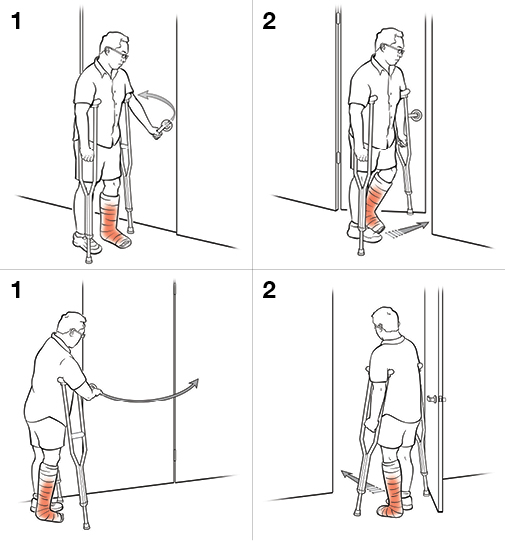
Step-by-Step
Online Medical Reviewer: Raymond Kent Turley BSN MSN RN
Online Medical Reviewer: Thomas N Joseph MD
Date Last Reviewed: 01/01/2025
© 2000-2026 The StayWell Company, LLC. All rights reserved. This information is not intended as a substitute for professional medical care. Always follow your healthcare professional's instructions.
Need Help? We're Here for You
Our Member and Recipient Services Team is here to help you understand your benefits, find care, or resolve concerns.
800-510-9132
Call NC Quitline
Need support to quit smoking, vaping, or to quit other nicotine products? You can receive support including medicines free of charge:
800-784-8669
Schedule Transportation
Need transportation to a doctor's office, pharmacy, or other covered healthcare service? Contact us to arrange your ride.
800-510-9132
Provider Directory
Need to find a provider like a Primary Care Physician, Specialist, OB/GYN, or a Psychiatrist?
Provider DirectoryRelated Articles
Protecting Your Foot After Foot Surgery
To help the bone heal properly, you may need to wear a cast. If you do, always keep it dry. Your healthcare provider will tell you whether you can bear weight on your foot while it heals. They may also prescribe a surgical shoe for you to wear.
Using Crutches with Step To (Weight Bearing)
These images show the use of crutches with step to.
Managing Pain After Amputation Surgery
You may have different types of pain after amputation. Talk with your doctor about your pain to get the best treatment.
Discharge Instructions for Elbow Arthroscopy
Instructions for taking care of yourself after elbow arthroscopy.