The healthcare staff will guide you on how to prepare for arthroscopy. They may ask for the results of any recent exams or special tests. You will be told how to get ready at home for surgery. A healthcare provider will talk with you about the type of anesthesia to be used. Let your provider know if you have any allergies or previous reactions to anesthesia. You will also learn whether you may go home the same day as surgery. Or should plan to spend the night at the hospital.
Getting ready
-
Complete any tests that your surgeon orders before surgery.
-
Follow any directions you are given for not eating or drinking before surgery.
-
Ask your healthcare provider if you should take your regular medicines before surgery.
-
Stop taking nonsteroidal anti-inflammatory drugs (NSAIDs), such as aspirin or ibuprofen,
7 to 10 days before surgery. Or as directed by your provider. -
If you smoke, now is a good time to stop. Quitting can reduce the risk for problems from the surgery. This includes an infection. You may need several weeks of not smoking to get the full benefit.
-
Arrange for an adult friend or family member to give you a ride home after surgery.
Planning for anesthesia
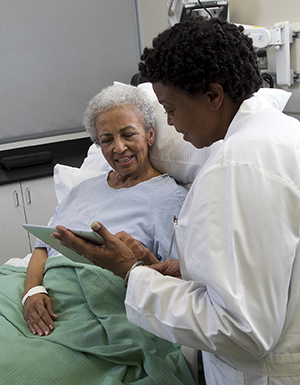
Before surgery, you will be told about the type of medicine that will keep you free of pain during arthroscopy. General anesthesia allows you to comfortably sleep through surgery. Regional and local anesthesia numb the involved part of your body. You may also be given a medicine that will help you relax.
Possible risks
-
Excess bleeding or swelling
-
Blood clots
-
Infection
-
Harm to nerves and blood vessels
-
A shift to open surgery (calls for a larger cut)
-
Anesthesia problems. The anesthesiologist will discuss any risks with you before surgery.
Online Medical Reviewer: Raymond Turley Jr PA-C
Online Medical Reviewer: Rita Sather RN
Online Medical Reviewer: Thomas N Joseph MD
Date Last Reviewed: 03/01/2024
© 2000-2026 The StayWell Company, LLC. All rights reserved. This information is not intended as a substitute for professional medical care. Always follow your healthcare professional's instructions.
Need Help? We're Here for You
Our Member Services team is here to help you understand your benefits, find care, or resolve concerns.
1-800-510-9132
Call NC Quitline
Need support to quit smoking, vaping, or to quit other nicotine products? You can receive support including medicines free of charge:
1-800-784-8669
Schedule Transportation
Need transportation to a doctor's office, pharmacy, or other covered healthcare service? Contact us to arrange your ride.
1-800-510-9132
Provider Directory
Need to find a provider like a Primary Care Physician, Specialist, OB/GYN, or a Psychiatrist?
Provider DirectoryRelated Articles
Understanding Leg Amputation: Surgery for a Medical Condition
This surgery removes part or all your leg. It is done because tissue in the leg is diseased and can't be healed. Or it may be needed to prevent the disease from spreading farther into your body. The goal of the surgery is to restore your ability to function. This is because removing the diseased part of your leg can improve your total health.
Achilles Tendon Repair Surgery
Achilles tendon repair surgery is a type of surgery to fix a damaged Achilles tendon. Learn more about the surgery, including why you might need it, what the risks are, how to get ready for it, and what happens during and after the surgery.
Femur Fracture Open Reduction and Internal Fixation
Open reduction and internal fixation (ORIF) is a type of surgery used to stabilize and heal a broken bone. You might need this procedure to treat your broken femur. Read on to learn what to expect before, during, and after this surgery.
Clavicle Fracture Open Reduction and Internal Fixation (ORIF)
Open reduction and internal fixation (ORIF) is a type of surgery used to stabilize and heal a broken bone. You might need this procedure to treat your broken collarbone (clavicle). Read on to learn what to expect before, during, and after this procedure.


