Healthy kidneys balance the amount of fluid that enters and leaves the body. If your kidneys can't maintain this fluid balance, you may need to limit your fluid intake. This handout can help you take in the right amount of fluid each day.
Hints to control thirst
When limiting your fluid intake, you should count anything that melts at room temperature as fluid. Such things as ice, flavored ice pops, ice cream, soup, and gelatin desserts all count as fluid. The tips below can help you feel less thirsty without drinking extra fluids:
-
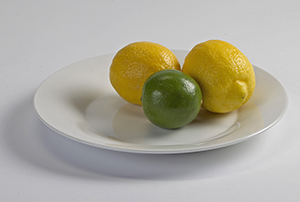
Suck on lemon wedges, hard sour candies, breath mints, thirst-quenching gum, or breath spray to moisten your mouth when you’re thirsty. Choose sugar-free types if you have diabetes.
-
Eat frozen fruits between meals instead of drinking fluids. Try frozen grapes, blueberries, or strawberries.
-
Control your blood sugar level if you have diabetes.
-
Eat less salt so you will feel less thirsty.
-
Read food labels to find out salt content. Buy fresh foods or foods with no sodium or low sodium.
-
Rinse your mouth with water but don’t swallow it.
-
Suck on a few ice chips. Freeze fruit juice or lemonade in an ice cube tray and use it as part of your fluid. It will be softer and easier to chew than regular ice cubes.
-
Measure your drinking cups, mugs, and glasses to see how many ounces of fluid they really hold. Many sizes can be misleading.
When you drink
Drink only when you are thirsty. Don't drink to be social or out of habit. When you do drink, follow these tips:
-
Measure out the amount of water you will drink during the day. Put the water in a container, and drink from that container only.
-
Drink only from cups, mugs, or glasses you have measured, so you are sure how many ounces of fluid they really hold. Many sizes can be misleading.
-
Drink from a small glass or cup. Drink slowly.
-
Take medicines with mealtime liquids.
Online Medical Reviewer: Raymond Kent Turley BSN MSN RN
Online Medical Reviewer: Rita Sather RN
Online Medical Reviewer: Walead Latif MD
Date Last Reviewed: 02/01/2025
© 2000-2026 The StayWell Company, LLC. All rights reserved. This information is not intended as a substitute for professional medical care. Always follow your healthcare professional's instructions.
Need Help? We're Here for You
Our Member and Recipient Services Team is here to help you understand your benefits, find care, or resolve concerns.
800-510-9132
Call NC Quitline
Need support to quit smoking, vaping, or to quit other nicotine products? You can receive support including medicines free of charge:
800-784-8669
Schedule Transportation
Need transportation to a doctor's office, pharmacy, or other covered healthcare service? Contact us to arrange your ride.
800-510-9132
Provider Directory
Need to find a provider like a Primary Care Physician, Specialist, OB/GYN, or a Psychiatrist?
Provider DirectoryRelated Articles
Chronic Kidney Disease (CKD)
When the kidneys don't work normally and waste products start to build up in the blood, this is called chronic kidney disease (CKD). Read on to learn how to care for yourself at home.
Monitoring Kidney Health
Your healthcare provider will check the health of your kidneys. That way, treatment can be adjusted if your condition changes. If you have other health problems that affect your kidneys, such as diabetes or high blood pressure, they will be checked also.
High Blood Pressure and Kidney Disease
High blood pressure that isn't controlled can damage the walls of the blood vessels in your body, including those in the kidneys.
Caring for Yourself When You Have Kidney Failure
Kidney failure and its treatment will mean making some changes. But you can still live a full life with kidney failure. Read on to learn more.


