Sodium is a mineral. Your body needs it in small amounts. But most people eat far more salt than they need. There's often a lot of salt in packaged foods and in restaurant foods. If you cook with fresh foods at home, it's easier to control your salt.
Eating too much sodium can make your body retain fluid. It can put stress on your kidneys. People with chronic kidney disease are often told to eat less sodium. This sheet can show you how.
People with chronic kidney disease should have less than 1,500 milligrams (mg) of sodium daily. Table salt is sodium chloride. One level teaspoon of table salt has 2,300 mg of sodium.
When you shop for food
When you’re food shopping:
-
Buy fresh foods when you can. They have no added salt. Cook them at home instead of buying prepared foods.
-
Choose canned or frozen vegetables with no added salt.
-
Choose fresh or frozen poultry, seafood, and lean meats.
When you're buying packaged foods:
-
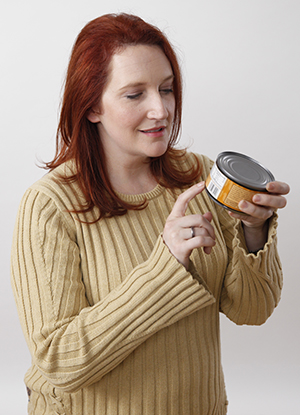
Read the Nutrition Facts label. It will tell you how much sodium a food or drink has. Check the sodium amount per serving. Then check how many servings there are in the package.
-
Check the sodium content of drinks as well as food.
-
Pick foods with 140 mg or less of sodium per serving.
-
Don't choose foods with more than 400 mg of sodium per serving.
When you cook at home
You can season foods without salt and still have tasty meals. Try these herbs and spices in these foods:
-
Basil: tomatoes, squash, eggplant, soups, fish.
-
Curry: soups, rice, lentils, chicken.
-
Dill: beets, cucumbers, green beans.
-
Garlic: sauces, beans, vegetables, meats, fish.
-
Ginger: carrots, chicken, cooked fruit, white sauces.
-
Lemon: asparagus, artichokes, broccoli, spinach, fish.
-
Mint: cold soups, salads, fruit dishes.
-
Oregano: eggplant, chicken, salads, sauces.
-
Thyme: chicken, fish, lean meats, soups, stews.
If you use salt at home, keep these things in mind:
-
Food with salt added during cooking tastes less salty than when salt is added at the table. So use less salt when you cook. Sprinkle salt at the table if needed.
-
Don't use seasoned salt or salt substitutes. They may contain potassium. This is a mineral people with kidney disease often need to limit.
Online Medical Reviewer: L Renee Watson MSN RN
Online Medical Reviewer: Marianne Fraser MSN RN
Date Last Reviewed: 06/01/2025
© 2000-2026 The StayWell Company, LLC. All rights reserved. This information is not intended as a substitute for professional medical care. Always follow your healthcare professional's instructions.
Need Help? We're Here for You
Our Member and Recipient Services Team is here to help you understand your benefits, find care, or resolve concerns.
800-510-9132
Call NC Quitline
Need support to quit smoking, vaping, or to quit other nicotine products? You can receive support including medicines free of charge:
800-784-8669
Schedule Transportation
Need transportation to a doctor's office, pharmacy, or other covered healthcare service? Contact us to arrange your ride.
800-510-9132
Provider Directory
Need to find a provider like a Primary Care Physician, Specialist, OB/GYN, or a Psychiatrist?
Provider DirectoryRelated Articles
Nutrition and the New Food Pyramid: Fruit
Like vegetables, fruit contains fiber and plenty of vitamins. But the great thing about fruit is its flavor. If you have a sweet tooth or just want a little treat, fruit is the healthiest way to indulge.
Understanding the New Food Pyramid
The USDA has guidelines to help you make healthy food choices. They are called the Dietary Guidelines for Americans. The guidelines include the New Food Pyramid. This is a symbol that shows the food groups that make up a healthy eating plan.
Low-Salt Diet
A low-salt diet removes foods that are high in salt. It also limits the amount of salt you use when cooking. Read on to see what foods and drinks you can have on this diet.
Daily Food Plan Worksheet: 1,800 Calories
Your calorie needs are about 1,800 calories a day. These are the USDA guidelines for your daily recommended amount of each food group.