Most people with heart problems need to eat less salt (sodium). Reducing the amount of salt you eat may help control your blood pressure. The higher your blood pressure, the greater your risk for heart disease, stroke, blindness, and kidney problems.
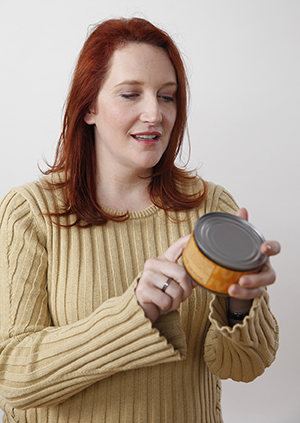
At the store
-
Make low-salt choices by reading labels carefully. Look for the total amount of sodium per serving.
-
Use more fresh food. Buy more fruits and vegetables. Select lean meats, fish, and poultry.
-
Use fewer frozen, canned, and packaged foods, which often contain a lot of sodium.
-
Use plain frozen vegetables without sauces or toppings. These products are often low-sodium or no-sodium.
-
Choose reduced-sodium or no-salt-added versions of condiments, canned vegetables, broths, and soups.
-
Choose unsalted nuts and seeds.
In the kitchen
-
Don't add salt to food when you're cooking. Season with flavorings like spices, herbs, vinegar, onion, garlic, pepper, salt-free herbal blends, and lemon or lime juice.
-
Use a cookbook that has low-salt recipes. It can give you ideas for tasty meals that are healthy for your heart.
-
Sprinkle spices, herbs, or salt-free herbal blends on vegetables and meat.
-
Drain and rinse canned foods, such as canned beans and vegetables, before you cook or eat them.
-
Remove the salt shaker from the table.
Eating out
-
Tell the waiter you're on a low-salt diet. Ask questions about the menu.
-
Order fish, chicken, and meat broiled, baked, poached, or grilled without salt, butter, or breading.
-
Use lemon, pepper, and salt-free herb mixes to add flavor.
-
Choose plain steamed vegetables, rice, boiled noodles, and baked or boiled potatoes. Top potatoes with chives and a little sour cream.
Reading food labels to limit salt
Beware! Salt goes by many other names. Limit foods with these words listed as ingredients: salt, sodium, soy sauce, baking soda, baking powder, MSG, monosodium, and Na (the chemical symbol for sodium). Some antacids are also high in salt.
Online Medical Reviewer: Brittany Poulson MDA RDN CD CDE
Online Medical Reviewer: Daphne Pierce-Smith RN MSN
Online Medical Reviewer: Sravani Chintapalli Researcher
Date Last Reviewed: 05/01/2025
© 2000-2026 The StayWell Company, LLC. All rights reserved. This information is not intended as a substitute for professional medical care. Always follow your healthcare professional's instructions.
Need Help? We're Here for You
Our Member Services team is here to help you understand your benefits, find care, or resolve concerns.
1-800-510-9132
Call NC Quitline
Need support to quit smoking, vaping, or to quit other nicotine products? You can receive support including medicines free of charge:
1-800-784-8669
Schedule Transportation
Need transportation to a doctor's office, pharmacy, or other covered healthcare service? Contact us to arrange your ride.
1-800-510-9132
Provider Directory
Need to find a provider like a Primary Care Physician, Specialist, OB/GYN, or a Psychiatrist?
Provider DirectoryRelated Articles
Low-Fat Diet
A low-fat diet will help you lose weight. It also can lower cholesterol and prevent symptoms of gallbladder disease. Here's a list of foods to eat more of, as well as those to stay away from.
Simple Steps to Help You Eat Better
In a healthy choice contest, fresh fruit would win out over a slice of pie any day. But many of us find it hard to resist the dessert. Here are tips to help you eat nutritiously.
Low-Salt Choices
Here are some ideas for low-salt foods you can easily prepare yourself.
Low-Fiber Diet
A low-fiber diet means eating foods that don't have much fiber. They are easy to digest. Learn why your doctor may put you on this kind of diet-and what foods you can and can't eat.


