Step-by-Step
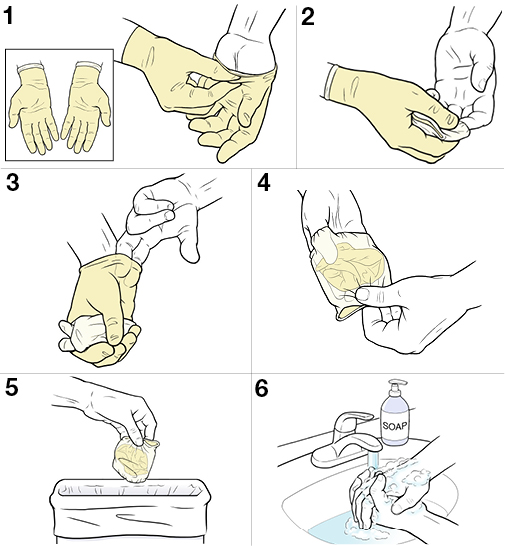
Online Medical Reviewer: Paula Goode RN BSN MSN
Online Medical Reviewer: Raymond Kent Turley BSN MSN RN
Online Medical Reviewer: Thomas N Joseph MD
Date Last Reviewed: 04/01/2025
© 2000-2026 The StayWell Company, LLC. All rights reserved. This information is not intended as a substitute for professional medical care. Always follow your healthcare professional's instructions.
Need Help? We're Here for You
Our Member Services team is here to help you understand your benefits, find care, or resolve concerns.
1-800-510-9132
Call NC Quitline
Need support to quit smoking, vaping, or to quit other nicotine products? You can receive support including medicines free of charge:
1-800-784-8669
Schedule Transportation
Need transportation to a doctor's office, pharmacy, or other covered healthcare service? Contact us to arrange your ride.
1-800-510-9132
Provider Directory
Need to find a provider like a Primary Care Physician, Specialist, OB/GYN, or a Psychiatrist?
Provider DirectoryRelated Articles
Bloodborne Pathogens: If You're Exposed
Bloodborne pathogens are disease-causing germs carried in blood or other body fluids. If blood or body fluids have touched your eyes, mouth, nose, or any other opening or break in your skin, you've been involved in an exposure incident. Here's what you need to know.
Preventing the Spread of Infection: Understanding Isolation Procedures
Certain infections can spread from person to person. This is why your friend or family member may be put in a special room at the hospital. Here's what you need to know to keep you and your loved one safe.
Understanding Bloodborne Pathogens
Blood or body fluids may contain germs (pathogens) that can cause disease. If there is an accident at work involving blood or body fluids, these germs can be spread. These are the most common causes of infection in the workplace. Read on to learn more.
When to Use Antibiotics
Antibiotics are medicines used to treat infections caused by bacteria. They don't work for illnesses caused by viruses or an allergic reaction.


