To control acid reflux, you’ll need to make some basic diet and lifestyle changes. The simple steps outlined below may be all you’ll need to ease discomfort.
Watch what you eat
-
Don't eat fatty or spicy foods.
-
Eat fewer acidic foods. These include foods with citrus and tomatoes. These can make your symptoms worse.
-
Limit drinks that are fizzy or have alcohol or caffeine. These all increase acid reflux.
-
Limit foods and drinks with chocolate, peppermint, or spearmint. These can make acid reflux worse in some people.
Watch when you eat
-
Don't lie down for 3 hours after eating.
-
Don't snack before going to bed.
Tilt your upper body
Raise your upper body by 4 to 6 inches (10 to 15 cm) when you’re lying down. This helps limit reflux. Put blocks under the head of your bed frame or a wedge under your mattress to raise it.
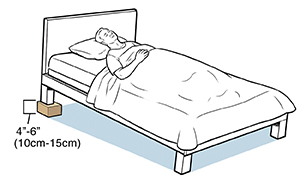
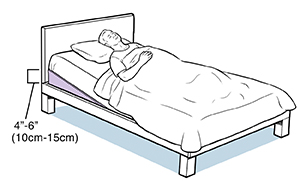
Other changes
-
Lose weight, if you need to.
-
Don’t exercise near bedtime.
-
Don't wear tight-fitting clothes.
-
Limit your use of aspirin and ibuprofen.
-
Stop smoking, if you smoke.
Online Medical Reviewer: Jen Lehrer MD
Online Medical Reviewer: L Renee Watson MSN RN
Online Medical Reviewer: Rita Sather RN
Date Last Reviewed: 02/02/2012
© 2000-2026 The StayWell Company, LLC. All rights reserved. This information is not intended as a substitute for professional medical care. Always follow your healthcare professional's instructions.
Need Help? We're Here for You
Our Member Services team is here to help you understand your benefits, find care, or resolve concerns.
1-800-510-9132
Call NC Quitline
Need support to quit smoking, vaping, or to quit other nicotine products? You can receive support including medicines free of charge:
1-800-784-8669
Schedule Transportation
Need transportation to a doctor's office, pharmacy, or other covered healthcare service? Contact us to arrange your ride.
1-800-510-9132
Provider Directory
Need to find a provider like a Primary Care Physician, Specialist, OB/GYN, or a Psychiatrist?
Provider DirectoryRelated Articles
Ileostomy: Dealing with a Food Blockage
After an ileostomy, it may be harder to digest foods that are high in fiber. Eaten in large amounts, these foods can clump together and cause a blockage. Learn about the signs of a blockage and what to do if you have one.
Medicines for GERD
Learn about the different types of medicines that can be used to treat GERD (gastroesophageal reflux disease).
Colostomy: Caring for Your Stoma
You need to take care of your stoma and the skin around it (peristomal skin). This helps prevent skin problems and odor.
Colostomy: Changing Your Pouch
Your healthcare provider gave you a stoma (new opening for stool to pass from the body) during surgery. Stool starts to pass from the stoma soon after surgery. That means you'll need to learn how to change your pouch before you go home.


