Hepatitis B virus (HBV) and hepatitis C virus (HCV) are serious threats to healthcare workers. These viruses spread through contact with infected blood and OPIM (other potentially infectious materials), such as body fluids and tissues. Since you can’t tell by looking if someone is infected, you always need to use standard precautions. This means treating all blood and OPIM as if they were infected.
Why you are at risk
Splashes, sprays, and needlesticks are common ways that infections can spread. If there’s any risk of your coming into contact with blood or body fluids during your workday, know that:
-
You can become infected if blood or body fluids containing HBV or HCV get into your mouth, eyes, or nose. Or if these fluids get into a cut, scrape, burn, rash, or hangnail on your skin.
-
Some of the tasks that could put you at risk include giving injections, handling lab samples, and cleaning work areas or patient rooms.
Steps to protect yourself
-
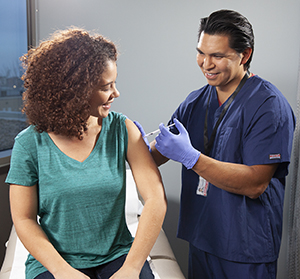
Get the HBV vaccine at your worksite.
-
Always wear the personal protective equipment that’s appropriate for the task.
-
Wash your hands before and after any contact with patients or possibly contaminated items.
-
Correctly dispose of all sharps and other waste.
-
Practice correct sterilization of medical equipment intended for multiple use
Choose to be vaccinated
The hepatitis B vaccine protects you against HBV. (The vaccine does not protect you from HCV. There is no vaccine for hepatitis C.) There are 3 vaccines available for hepatitis B, given as shots. Depending on the type of vaccine, 2 to 3 doses are given. You must get all shots to best make sure of protection.
If you're exposed to HBV or HCV
-
Immediately wash any part of your body that comes into direct contact with blood or other body fluids.
-
Report any exposure to your supervisor right away. You’ll be advised about correct follow-up. Even if you’ve received the HBV vaccine, you may need a booster shot and other medical care.
Online Medical Reviewer: Rita Sather RN
Online Medical Reviewer: Sabrina Felson MD
Online Medical Reviewer: Shaziya Allarakha MD
Date Last Reviewed: 10/01/2024
© 2000-2026 The StayWell Company, LLC. All rights reserved. This information is not intended as a substitute for professional medical care. Always follow your healthcare professional's instructions.
Need Help? We're Here for You
Our Member Services team is here to help you understand your benefits, find care, or resolve concerns.
1-800-510-9132
Call NC Quitline
Need support to quit smoking, vaping, or to quit other nicotine products? You can receive support including medicines free of charge:
1-800-784-8669
Schedule Transportation
Need transportation to a doctor's office, pharmacy, or other covered healthcare service? Contact us to arrange your ride.
1-800-510-9132
Provider Directory
Need to find a provider like a Primary Care Physician, Specialist, OB/GYN, or a Psychiatrist?
Provider DirectoryRelated Articles
Healthcare Workers: Preventing HIV Infection
HIV is spread from person to person through body fluids. These CDC guidelines will help prevent the spread of HIV.
How Does a COVID-19 mRNA Vaccine Work?
Some of the COVID-19 vaccines are mRNA vaccines. This video will show you what an mRNA vaccine is and how it works.
Staff Ed: Making Sure Your Patients Get Vaccines
The most important thing ensuring that patients get vaccines may be as simple as your direct and clear recommendation to them.
Bloodborne Pathogens: When an Accident Happens
Suddenly you're faced with an accident on the job. With a quick study of the situation, you can decide how best to handle it. Before you help, take the right steps to protect yourself and others from infection from bloodborne pathogens.