HIV is spread from person to person through body fluids (blood, breastmilk, vaginal fluids, semen, and pre-cum). To prevent the spread of HIV, follow the CDC infection control guidelines. These guidelines are there for your health and safety.
Use CDC guidelines
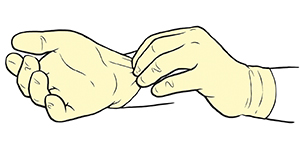
Learn and follow standard precautions. Also, review your employer’s policies. Below are general tips based on the CDC guidelines. They can help protect you from HIV:
-
Wear gloves anytime you may come in contact with any body fluid (except sweat), mucous membrane, or broken skin. Change gloves and wash your hands between patients.
-
Wash hands fully after contact with body fluids. Also, wash right away after taking off gloves.
-
Dispose of needles safely. Put them in a puncture-resistant container right after use. Do not recap, bend, or break needles. Do not remove them from the syringe.
-
Wear protective clothing like masks, goggles, and gowns anytime body fluids may splash or spray.
-
Keep manual ventilation devices handy. Disposable devices, such as resuscitation bags and mouthpieces, should be easy to see and reach.
Post-exposure prophylaxis
Post-exposure prophylaxis (PEP) involves medicines to prevent HIV after a possible exposure. If you believe you have been exposed to HIV, it is important to take quick action.
-
Get evaluated, either at your local ER (emergency room) or at employee health (this should be within hours of exposure).
-
Start post-exposure prophylaxis within 72 hours after a recent possible exposure to HIV.
-
Follow up as directed while on post-exposure prophylaxis.
CDC Guidelines
The CDC's infection control guidelines, called Standard Precautions, help prevent the spread of all germs. This includes HIV. Follow them as per your employer’s policies.
Online Medical Reviewer: Heather M Trevino BSN RNC
Online Medical Reviewer: Marianne Fraser MSN RN
Online Medical Reviewer: Shaziya Allarakha MD
Date Last Reviewed: 08/01/2024
© 2000-2026 The StayWell Company, LLC. All rights reserved. This information is not intended as a substitute for professional medical care. Always follow your healthcare professional's instructions.
Need Help? We're Here for You
Our Member Services team is here to help you understand your benefits, find care, or resolve concerns.
1-800-510-9132
Call NC Quitline
Need support to quit smoking, vaping, or to quit other nicotine products? You can receive support including medicines free of charge:
1-800-784-8669
Schedule Transportation
Need transportation to a doctor's office, pharmacy, or other covered healthcare service? Contact us to arrange your ride.
1-800-510-9132
Provider Directory
Need to find a provider like a Primary Care Physician, Specialist, OB/GYN, or a Psychiatrist?
Provider DirectoryRelated Articles
Healthcare Workers: Preventing Hepatitis B & C
Hepatitis B and C are serious threats to healthcare providers. Always use these standard precautions to protect yourself.
HPV (Human Papillomavirus) Vaccine: VIS
HPV (human papillomavirus) vaccine can prevent infection with some types of human papillomavirus. HPV infections can cause certain types of cancers.
How to Prevent the Spread of Tuberculosis
Tuberculosis (TB) is a disease caused by a bacteria. It's spread from person to person through the air. Read about how to help prevent TB from spreading.
COVID-19: Vaccines and Prevention
The best prevention is to not have contact with the COVID-19 virus. Read on about vaccines and other ways to protect yourself and others.