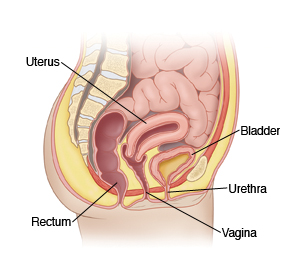
Your child has vaginitis. This means that the vagina is inflamed or infected. Symptoms can include redness, swelling, itching, or soreness in or around the vagina. Your child may also have pain or burning during urination.
Vaginitis has many possible causes. Some of the more common causes include:
-
Infection from germs such as yeast or bacteria
-
Irritation from wearing tight clothing such as jeans or leggings. Underwear or tights made of polyester or nylon may also cause irritation.
-
Sensitivity to chemicals in scented soaps, shampoo, toilet paper, or other bath products
Treatment will vary based on the cause of your child’s problem.
Home care
Follow these tips when caring for your child at home:
-
If medicine is prescribed, give it to your child as directed. Make sure your child completes all of the medicine, even if starting to feel better. Don’t use over-the-counter medicines without talking with your child’s healthcare provider first.
-
To help ease swelling, it may help to apply a cool compress to the affected area. Do this only as directed by the healthcare provider.
-
To help soothe irritation, have your child soak in a bath with a few inches of warm water a few times a day. Don’t add any bath products to the water. Also, don't wash the affected area with soap. Rinse the area and pat it dry instead.
Prevention
The tips below may help reduce your child’s risk of vaginitis in the future. For more advice, talk with the healthcare provider.
-
Teach your child to wipe from front to back. This helps prevent germs in the stool from entering the vagina.
-
Have your child use only plain soap and bath products.
-
Have your child wear cotton underpants and less tight clothing. Also have your child change out of wet bathing suits or sports or workout clothing right away. These steps may help prevent irritation in the crotch area. They may also help prevent the buildup of heat and moisture, which can make infection more likely.
Follow-up care
Follow up with your child’s healthcare provider, or as directed.
When to get medical advice
Call the provider right away if any of the following occur:
-
Fever
-
Symptoms get worse, or don’t go away with treatment or home care measures
-
Trouble urinating because of pain or burning
-
New pain in the lower belly or pelvic region
-
Bothersome side effects or a reaction to any medicine prescribed
-
New symptoms such as a rash, joint pain, or genital sores
Featured in
Online Medical Reviewer: Donna Freeborn PhD CNM FNP
Online Medical Reviewer: Heather Trevino
Online Medical Reviewer: Liora C Adler MD
Date Last Reviewed: 01/01/2023
© 2000-2026 The StayWell Company, LLC. All rights reserved. This information is not intended as a substitute for professional medical care. Always follow your healthcare professional's instructions.
Need Help? We're Here for You
Our Member Services team is here to help you understand your benefits, find care, or resolve concerns.
1-800-510-9132
Call NC Quitline
Need support to quit smoking, vaping, or to quit other nicotine products? You can receive support including medicines free of charge:
1-800-784-8669
Schedule Transportation
Need transportation to a doctor's office, pharmacy, or other covered healthcare service? Contact us to arrange your ride.
1-800-510-9132
Provider Directory
Need to find a provider like a Primary Care Physician, Specialist, OB/GYN, or a Psychiatrist?
Provider DirectoryRelated Articles
Trichomonas Vaginal Infection (Trichomoniasis)
Trichomonas (or trichomoniasis) vaginal infection is a sexually transmitted disease that is caused by a parasite.
Amenorrhea
Amenorrhea is a lack of menstrual periods. It can be caused by many things.
Abnormal Uterine Bleeding
Abnormal uterine bleeding is irregular bleeding during a menstrual cycle that is caused by hormonal problems. The most common hormonal irregularity occurs because the ovary did not produce an egg during that particular cycle. This video explores other causes and when this bleeding is of concern.
Understanding the Normal Menstrual Cycle
A normal menstrual cycle is described. And it's rare but possible to become pregnant during your period, especially if your cycle is irregular.


