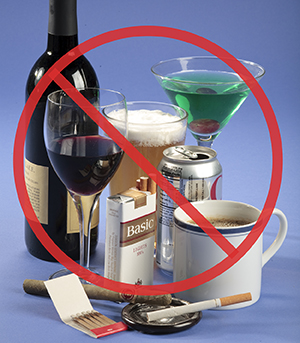
Certain factors can speed up bone loss or decrease bone growth. For instance, alcohol, cigarettes, and certain medicines reduce bone mass. Some foods make it hard for your body to absorb calcium.
Things to stay away from
Here are things to stay away from to help prevent osteoporosis:
-
Alcohol. This is toxic to bones. It is a major cause of bone loss. Heavy drinking can cause osteoporosis even if you have no other risk factors.
-
Smoking. This reduces bone mass. Smoking may also interfere with estrogen levels and cause early menopause.
-
Inactivity. Not being active makes your bones lose strength and become thinner. Over time, thin bones may break. Women who aren't active are at a high risk for osteoporosis.
-
Certain medicines. Some medicines, such as cortisone, increase bone loss. They also decrease bone growth. Ask your health care provider about any side effects of your medicines and how to prevent them. If you need to take a medicine that causes bone loss, consult with your provider to calculate the lowest possible dose that you can take to control your symptoms. Don't stop any treatment or change the dose of your medicines unless your provider says it’s safe to do so.
-
Protein-rich or salty foods. Eaten in large amounts, these foods may deplete calcium.
-
Caffeine. This increases calcium loss. People who drink a lot of coffee, tea, or soda lose more calcium than those who don't.
Ways to help prevent bone loss
Here are things you can do to help prevent bone loss:
-
Maintain a healthy body weight.
-
Be physically active and exercise regularly.
-
Eat foods that promote healthy bones.
-
If the medicine you need to take causes bone loss, talk with your health care provider about taking the lowest dose for the shortest amount of time, and ask about adding calcium and vitamin D.
-
Make your home safe by reducing hazards that increase your risk of falling and breaking bones.
-
If you are a woman over 50, talk to your provider about protecting your bone health during menopause.
-
If you are pregnant or breastfeeding, talk to your provider about any need to take calcium supplements.
Talk with your provider about specific ways you can follow these tips to prevent bone loss.
Online Medical Reviewer: Marianne Fraser MSN RN
Online Medical Reviewer: Raymond Turley Jr PA-C
Online Medical Reviewer: Vinita Wadhawan Researcher
Date Last Reviewed: 12/01/2024
© 2000-2026 The StayWell Company, LLC. All rights reserved. This information is not intended as a substitute for professional medical care. Always follow your healthcare professional's instructions.
Need Help? We're Here for You
Our Member Services team is here to help you understand your benefits, find care, or resolve concerns.
1-800-510-9132
Call NC Quitline
Need support to quit smoking, vaping, or to quit other nicotine products? You can receive support including medicines free of charge:
1-800-784-8669
Schedule Transportation
Need transportation to a doctor's office, pharmacy, or other covered healthcare service? Contact us to arrange your ride.
1-800-510-9132
Provider Directory
Need to find a provider like a Primary Care Physician, Specialist, OB/GYN, or a Psychiatrist?
Provider DirectoryRelated Articles
Living with Osteoporosis: Regular Exercise
A variety of exercises is best. Physical activity will slow further bone loss. It can also be fun.
A Safer Way to Get Out of Bed
Getting out of bed correctly can help to ease strain on your back and prevent injury. Here are some tips for how to protect your back when you get out of bed.
Carpal Tunnel Syndrome Prevention Tips
Certain repetitive hand activities may put you at higher risk for developing carpal tunnel syndrome. Learning how to modify the use of your hands can help you reduce the risk.
All About Muscle Cramps
Muscle cramps -- involuntary muscle contractions -- are common. But even though they can be quite painful, they don't cause damage.